

What Makes a Good Small Business Website in 2026?
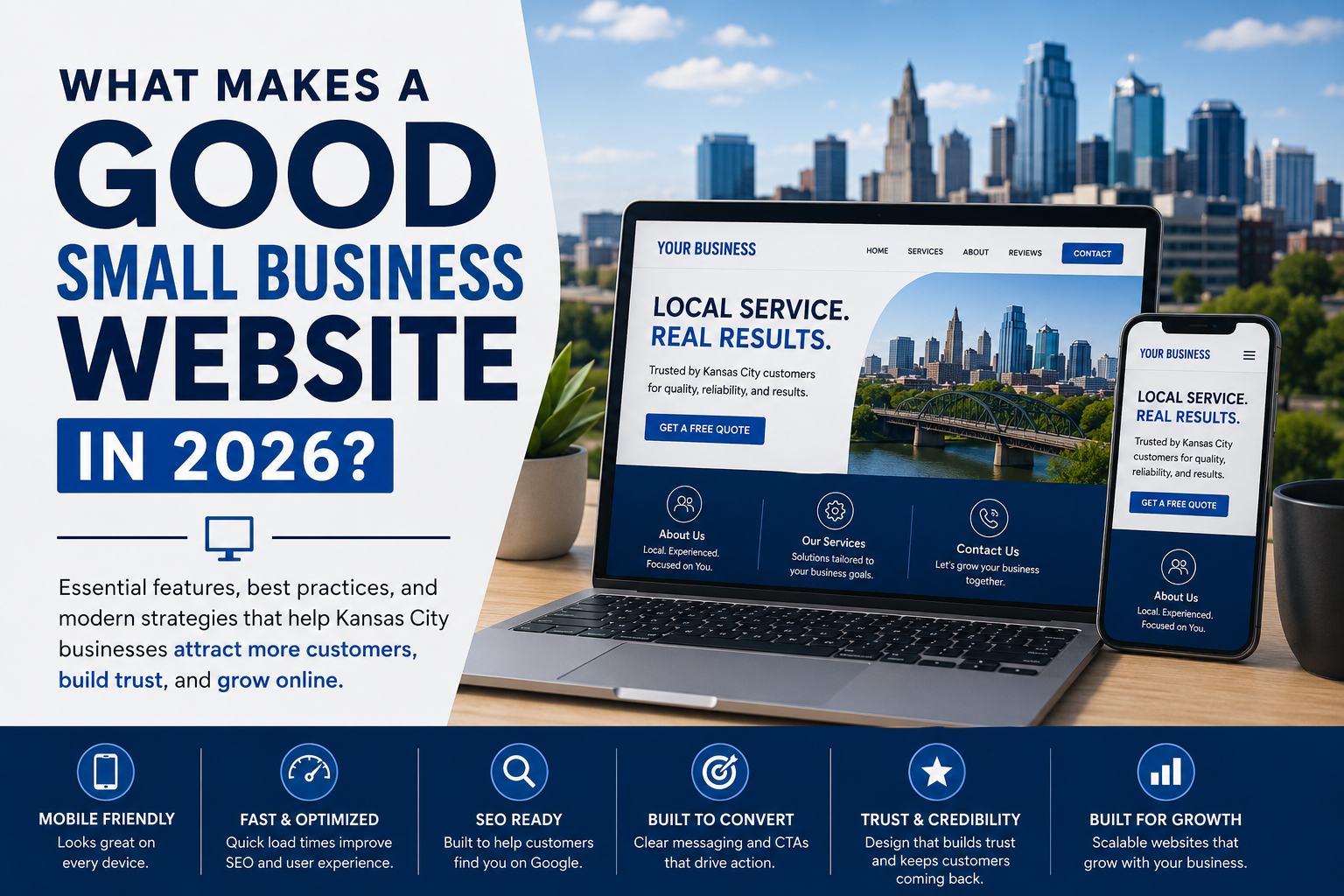
Your website is often the first impression potential customers have of your business.
In 2026, simply having a website is no longer enough. Small business websites need to be fast, professional, mobile-friendly, optimized for Google, and designed to turn visitors into actual customers.
At Digital Rabbit, we work with Kansas City small businesses on website design and SEO strategies focused on improving visibility, building credibility, and generating more leads online.
So what actually separates a good small business website from one that quietly hurts your business?
Here are the most important things every modern small business website should include in 2026.
1. Mobile-Friendly Design
More than half of website traffic now comes from mobile devices.
If your website is difficult to use on a phone, potential customers are likely to leave quickly — and Google notices that.
A good small business website should:
Look great on mobile devices
Use readable text without zooming
Include easy-to-click buttons
Load correctly on all screen sizes
Prioritize simple navigation
Mobile usability also directly impacts SEO rankings because Google primarily evaluates the mobile version of your website when determining search visibility.
For Kansas City small businesses, mobile optimization is no longer optional.
2. Fast Website Speed
Website speed matters more than ever in both SEO and user experience.
Slow websites often lead to:
Higher bounce rates
Lower conversion rates
Frustrated users
Reduced Google rankings
Modern business websites should:
Load quickly on mobile and desktop
Use optimized images
Minimize unnecessary scripts
Avoid cluttered page builders
Be technically optimized for performance
Even a few seconds of delay can significantly reduce how many visitors stay on your website.
Many small business websites lose leads simply because users leave before the site fully loads.
3. Clear Calls to Action
One of the biggest mistakes small business websites make is failing to clearly guide visitors toward taking action.
Your website should immediately communicate:
What you do
Who you help
What visitors should do next
Strong calls to action may include:
Request a Quote
Schedule a Consultation
Call Now
Book an Appointment
Contact Us
A good call to action should be:
Easy to find
Visually clear
Repeated throughout the website
Focused on reducing friction
A visually impressive website that doesn’t generate leads ultimately isn’t doing its job.
4. SEO-Friendly Website Structure
A good small business website should not only look professional — it should also help people actually find your business online.
SEO-friendly websites are structured in a way that helps Google understand:
What your business does
Where your business is located
Which services you offer
Which pages are most important
This includes:
Proper page headings
Internal linking
Optimized title tags and meta descriptions
Fast performance
Local SEO optimization
Helpful content
At Digital Rabbit, we design websites with SEO in mind from the beginning rather than treating SEO as an afterthought later.
One Kansas City therapy practice we worked with experienced:
184% increase in Google search impressions
150% increase in search clicks
227% increase in organic traffic
…after improving website structure, SEO content, and overall optimization.
5. Strong Local SEO Optimization
For many local businesses, local SEO is one of the biggest opportunities for growth.
Strong local SEO helps businesses appear in searches like:
“Kansas City web design”
“Coffee shop near me”
“Therapist in Overland Park”
“Local roofing company”
Good local SEO includes:
Optimized Google Business Profiles
Location-focused content
Local keywords
Reviews
Accurate business information
Local backlinks and citations
For Kansas City businesses, strong local SEO can dramatically improve visibility and lead generation over time.
6. Professional Branding and Design
Website design directly impacts trust.
An outdated or poorly designed website can unintentionally make a business appear less credible — even if the business itself is excellent.
A good small business website should include:
Consistent branding
Professional typography
Clear visual hierarchy
High-quality imagery
Modern design
Cohesive colors and styling
Good design is not just about aesthetics. It also improves usability, trust, and conversions.
Many small businesses underestimate how quickly users form opinions about credibility based on website design alone.
7. Simple and Clear Navigation
Visitors should immediately understand:
What your business does
What services you offer
How to contact you
Where to find important information
Overly complicated navigation creates frustration and often causes users to leave the site entirely.
Good website navigation is:
Simple
Organized
Easy to scan
Consistent throughout the website
In most cases, simpler navigation performs better than overly complicated menu structures.
8. Real Photos, Reviews, and Social Proof
Customers trust authenticity.
Websites that include:
Real team photos
Customer testimonials
Google reviews
Project examples
Case studies
…typically perform much better than generic websites using only stock photography.
Social proof helps build:
Credibility
Trust
Emotional connection
Conversion confidence
This is especially important for local Kansas City businesses competing against larger companies.
9. Helpful Content That Builds Trust
Modern websites should educate as well as sell.
Helpful content improves:
SEO visibility
Trust
Time spent on site
Authority
Conversion rates
Examples include:
FAQs
Service explanations
Pricing guides
Educational resources
Businesses that consistently publish helpful content often outperform competitors in Google search results over time.
This is one reason why content marketing and SEO work so well together.
10. Built to Grow With Your Business
A good website should not feel outdated after one year.
Your website should be flexible enough to grow alongside your business through:
Additional services
SEO content
Landing pages
E-commerce functionality
Integrations
Lead generation improvements
Scalability matters.
Investing in a website that can evolve over time is usually far more cost-effective than constantly rebuilding from scratch.
Common Small Business Website Mistakes
Many business websites struggle because they:
Load slowly
Are not mobile-friendly
Have poor SEO structure
Use outdated design
Lack clear calls to action
Confuse visitors
Ignore local SEO
Fail to build trust
The good news is that most of these problems are fixable with the right website strategy.
What Small Businesses Should Prioritize First
If you’re trying to improve your website in 2026, focus on these priorities first:
Mobile usability
Website speed
Clear messaging
Local SEO optimization
Conversion-focused calls to action
Helpful content
Trust-building design
These improvements often create the biggest impact for both SEO and lead generation.
How Digital Rabbit Helps Kansas City Businesses
At Digital Rabbit, we help Kansas City businesses create websites designed to:
Improve credibility
Increase Google visibility
Generate more leads
Support long-term SEO growth
Deliver better user experiences
We focus on combining modern website design with SEO strategies that help businesses grow online long-term.
Final Thoughts
So, what makes a good small business website in 2026?
The best business websites combine:
Strong design
Fast performance
Mobile optimization
SEO strategy
Clear messaging
Local visibility
User experience
Conversion-focused structure
A website should do more than simply exist — it should actively help grow your business.
If your current website feels outdated, difficult to use, or isn’t generating leads consistently, it may be time for a redesign or SEO strategy update.
Frequently Asked Questions
What is the most important part of a small business website?
The most important elements are usability, mobile responsiveness, clear messaging, SEO optimization, and strong calls to action.
Does website design affect SEO?
Yes. Website speed, mobile performance, navigation, and user experience all impact SEO rankings and visibility.
How often should a business redesign its website?
Most businesses benefit from major website updates every 3–5 years depending on technology, branding, and performance needs.
Why do small business websites fail?
Many websites fail because they focus only on appearance instead of usability, SEO, conversions, and customer experience.
Can a good website help generate more leads?
Absolutely. A well-designed, SEO-focused website can significantly improve trust, visibility, and lead generation over time.
